Inflation has cooled from its peak, but if you manage a condo corporation, HOA, or multifamily community, your budget probably doesn't feel any looser. Insurance premiums keep climbing, vendor contracts renew at higher rates every year, good staff are hard to find and harder to keep, and the maintenance items you've been deferring aren't getting any cheaper to fix.
The question most boards and managers are asking isn't whether costs will rise again next year. It's how to absorb those increases without shortchanging residents, letting property values slide, or burning out the team that keeps everything running.
Here's the part that's actually good news: a lot of what's driving costs up is out of your hands. How efficiently your community operates is not.
What's Actually Driving the Increases
Community associations across North America are getting squeezed from several directions at once, and rarely just one:
- Insurance premiums
- Labor and staffing
- Maintenance and repairs
- Landscaping and vendor contracts
- Reserve funding requirements
- Materials and utilities
Industry data backs this up. Insurance, management fees, maintenance, staffing, landscaping, and reserve contributions all rank among the fastest-growing line items for associations right now.
For boards, that usually means one of a few uncomfortable choices: raise assessments, push out planned projects, or go hunting for efficiencies somewhere in the budget.
Why Cutting Spend Often Backfires
When a budget gets tight, the instinct is to cut. But the cuts that feel safest in the short term are often the ones that cost the most later.
A few examples:
- Deferred maintenance almost always gets more expensive the longer it waits.
- Underfunded reserves have a way of turning into special assessments.
- Manual, paper-and-spreadsheet processes eat staff hours that should be going toward residents, not admin.
- Weak communication generates more phone calls and emails, not fewer.
The communities weathering this well aren't necessarily the ones spending less. They're the ones spending on the right things.
The Cost Nobody Puts a Line Item On
There's one expense that rarely shows up explicitly in a budget: the hours a manager spends on routine administrative work. Answering the same questions. Processing amenity bookings one at a time. Chasing down a maintenance request that got lost in an inbox. Tracking down a payment. Emailing a document that should've been self-serve.
None of that looks like much on its own. Add it up across a portfolio of communities and it's easily hundreds of hours a year, hours that either come out of service quality or turn into a case for hiring someone new.
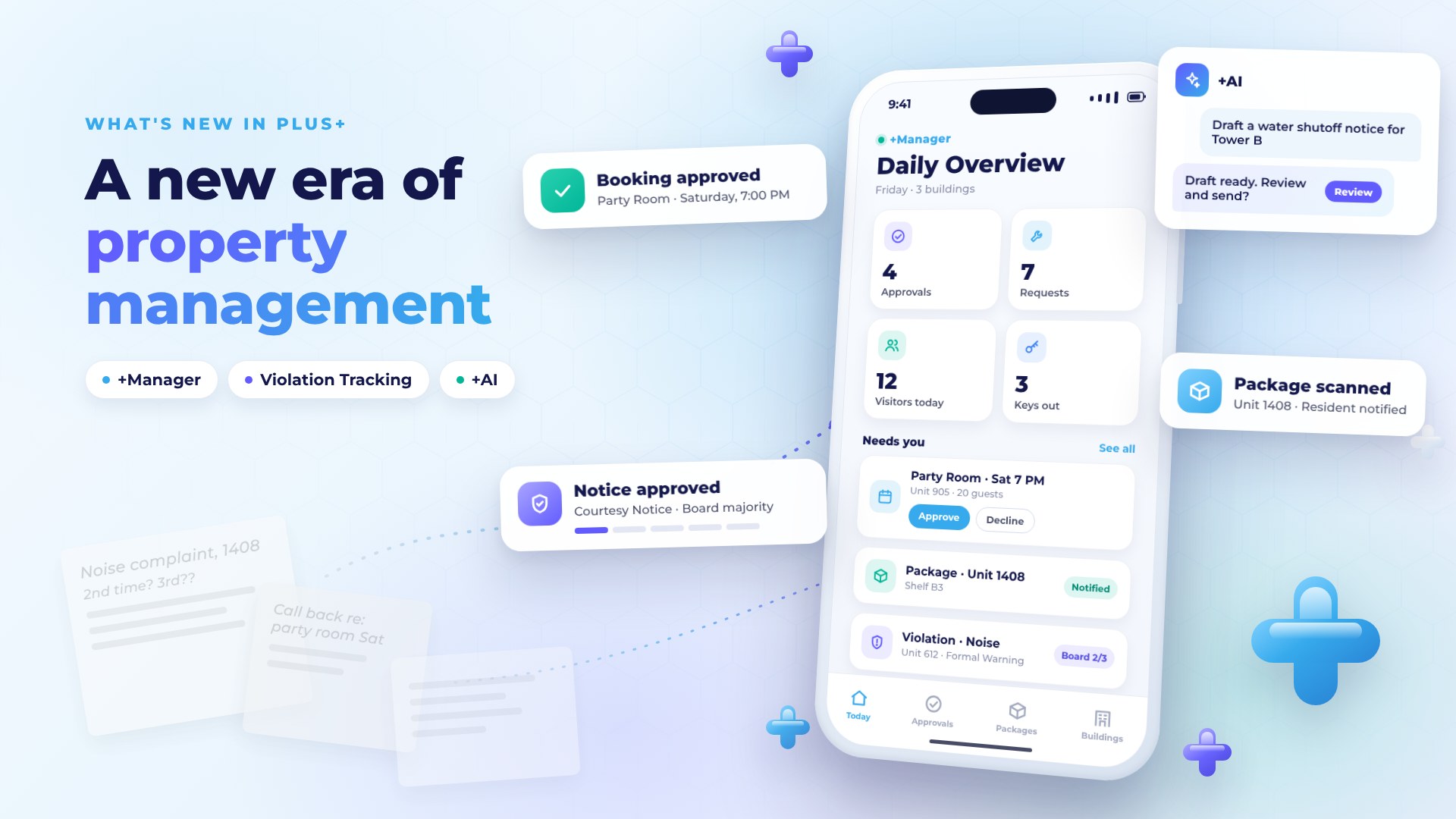
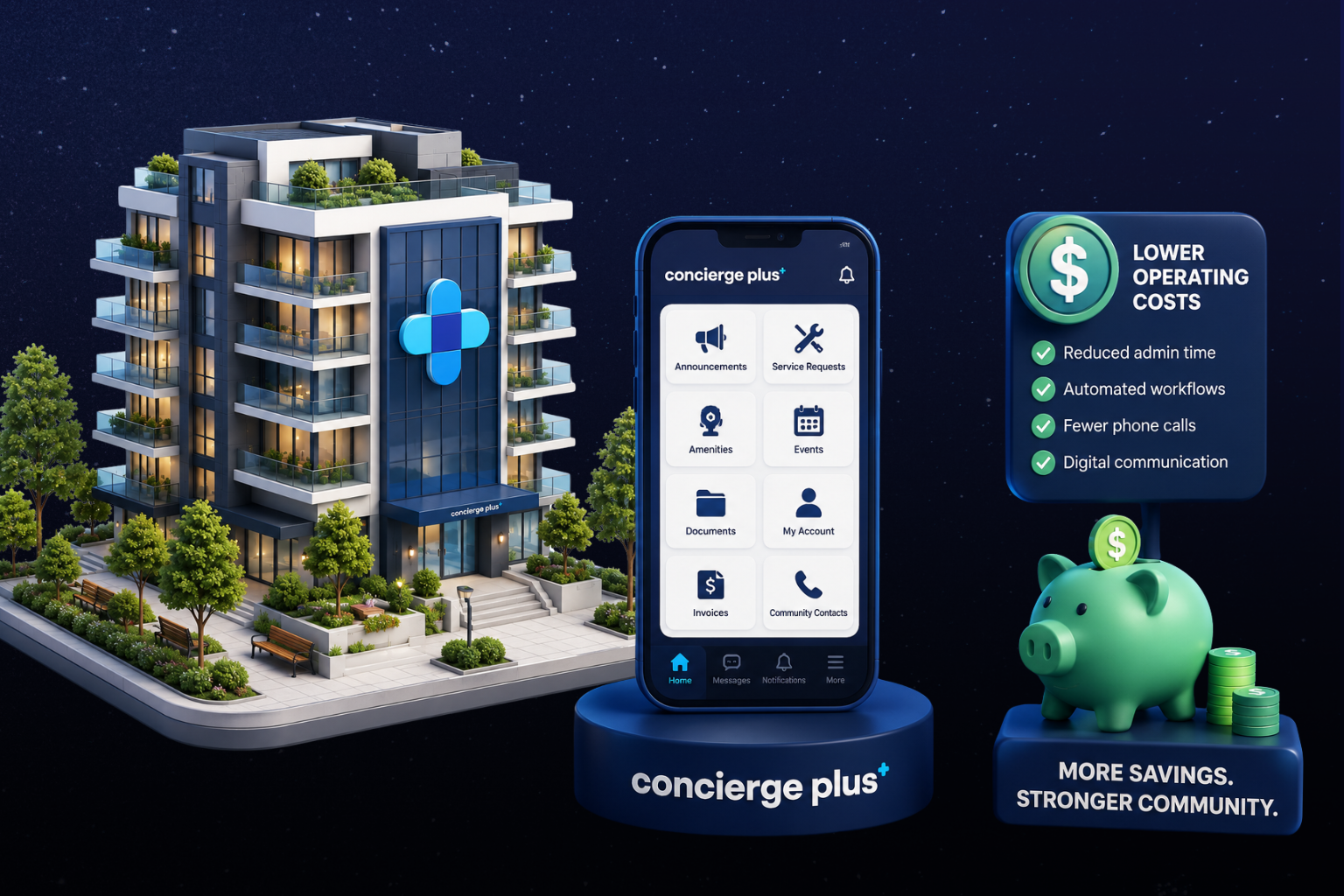
This is exactly where the right platform earns its keep. ConciergePlus centralizes resident communication, payments, amenity bookings, and maintenance requests in one place instead of five, so managers aren't stitching together email, spreadsheets, and sticky notes to keep a community running. Residents get a portal and mobile app to handle the routine stuff themselves: book the party room, pay a fee, pull up a document, submit a request, at 7 pm on a Tuesday without waiting for office hours.
Ryan, our resident chatbot, takes it a step further. Once a community's PM uploads their policies and FAQs, Ryan can field the recurring questions around the clock, freeing up staff time for the calls and conversations that actually need a person.
None of that makes insurance cheaper. It does mean fewer hours lost to work that shouldn't need a human in the loop, which is exactly the kind of savings you can control when so much else you can't.
Visibility Matters More When Money is Tight
The other underrated cost lever is simply knowing what's happening in your community before it becomes a problem. Payment activity, amenity usage, open requests, communication trends: when a manager can see all of that in one dashboard instead of piecing it together after the fact, budgeting conversations get easier and boards get ahead of issues instead of reacting to them.
Rising Costs Make Communication Non-Negotiable
Assessment increases, delayed projects, service changes: none of these land well without context. Residents are far more forgiving when they understand why costs are going up, what alternatives the board considered, and what's being done to run things more efficiently.
A resident portal and app don't replace that conversation, but they make it easier to have consistently, through timely updates instead of a single annual letter nobody remembers reading.
Where This Leaves Boards and Managers
Operating costs aren't heading back to pre-pandemic levels. Insurance, labor, and materials are going to keep pressuring budgets for the foreseeable future. No software fixes that.
What it can do is take the administrative weight off your team, give you visibility into what's actually happening in your community, and make it easier to keep residents informed, so the hours and dollars you do control go toward the things that matter.
Communities that get ahead of this now, rather than reacting budget cycle to budget cycle, will be in a much better spot to handle whatever next year brings.